The VITA Journal
Research & Science
Academic research articles on longevity, nutrition science, metabolic health, and women's health — curated and distilled for the VITA community.
Longevity Science
Cellular aging, muscle longevity, and the science of a longer healthspan
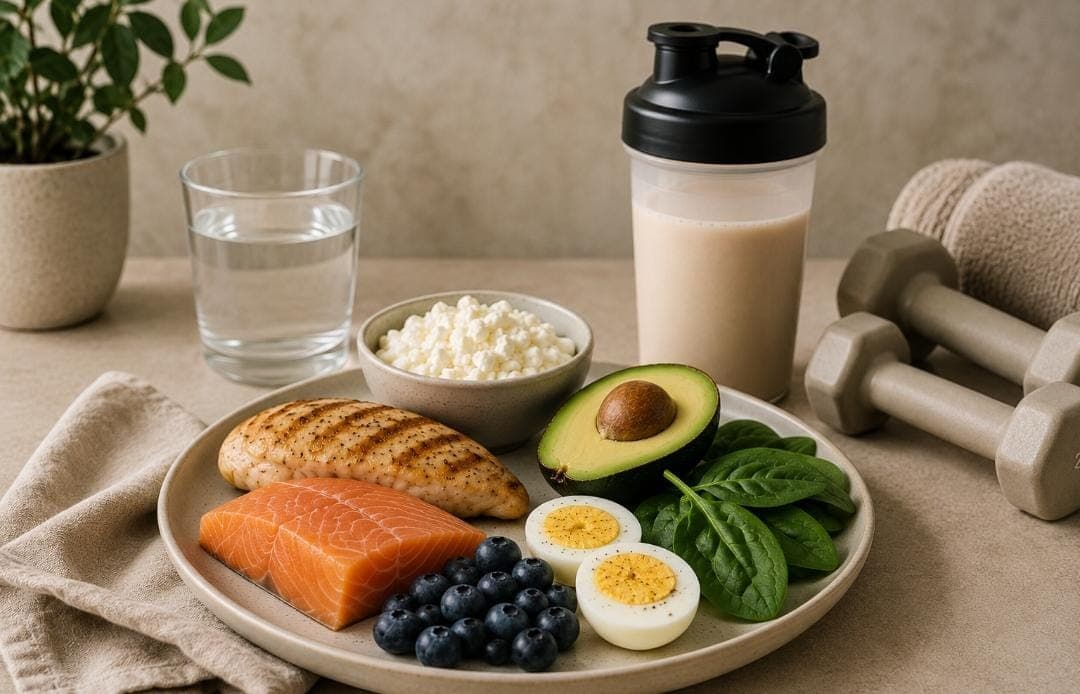 🔬
🔬Why Protein Matters More After 40
Muscle mass naturally declines with age — but the right protein strategy can slow, and even reverse, the trend. Here's the science, simplified.
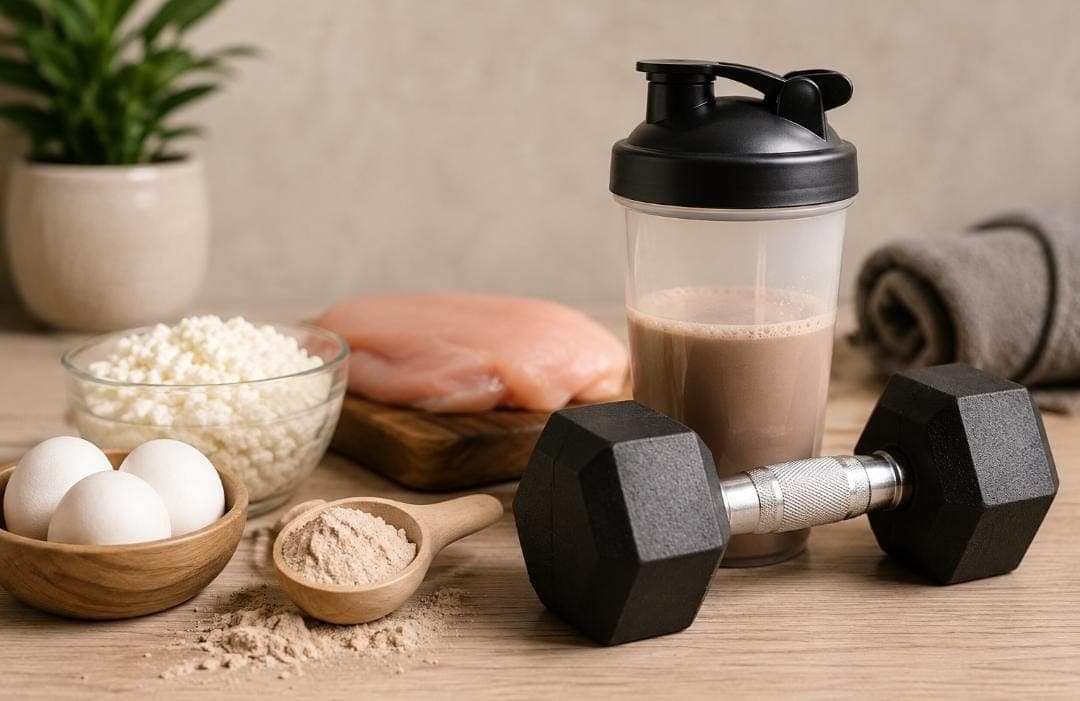 🔬
🔬Strength Training + Protein: The Longevity Duo
A landmark meta-analysis confirms: combining resistance exercise with adequate protein extends both lifespan and healthspan. Here's the evidence.
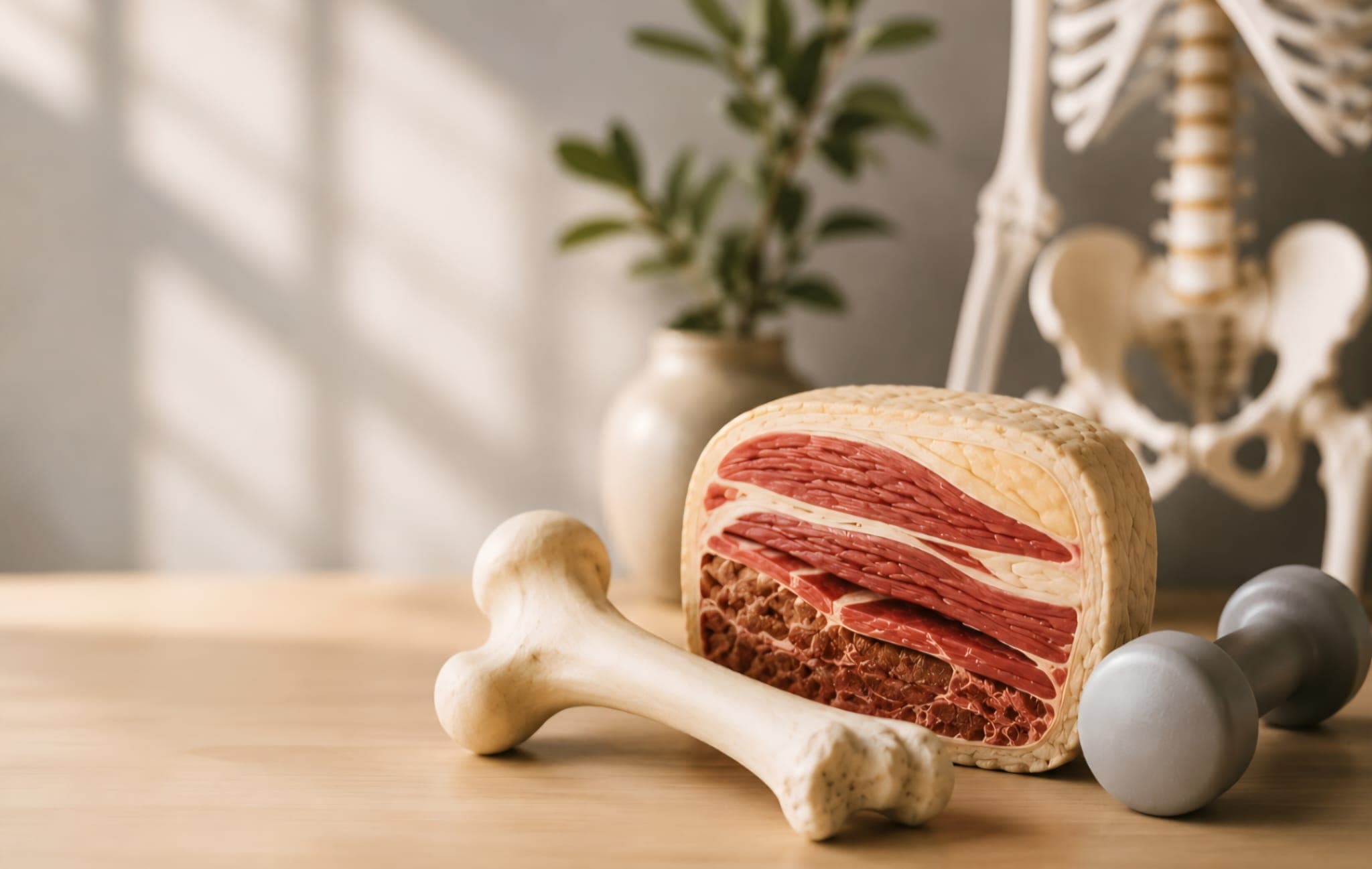 🔬
🔬Sarcopenia: The Silent Epidemic After 50
Most women have never heard of sarcopenia — yet it affects 1 in 3 women over 60 and is one of the strongest predictors of premature death.
 🔬
🔬Omega-3 Fatty Acids & Cognitive Aging: What the Evidence Shows
EPA and DHA don't just protect your heart — rigorous clinical trials show they slow brain aging, preserve memory, and reduce dementia risk in midlife women.
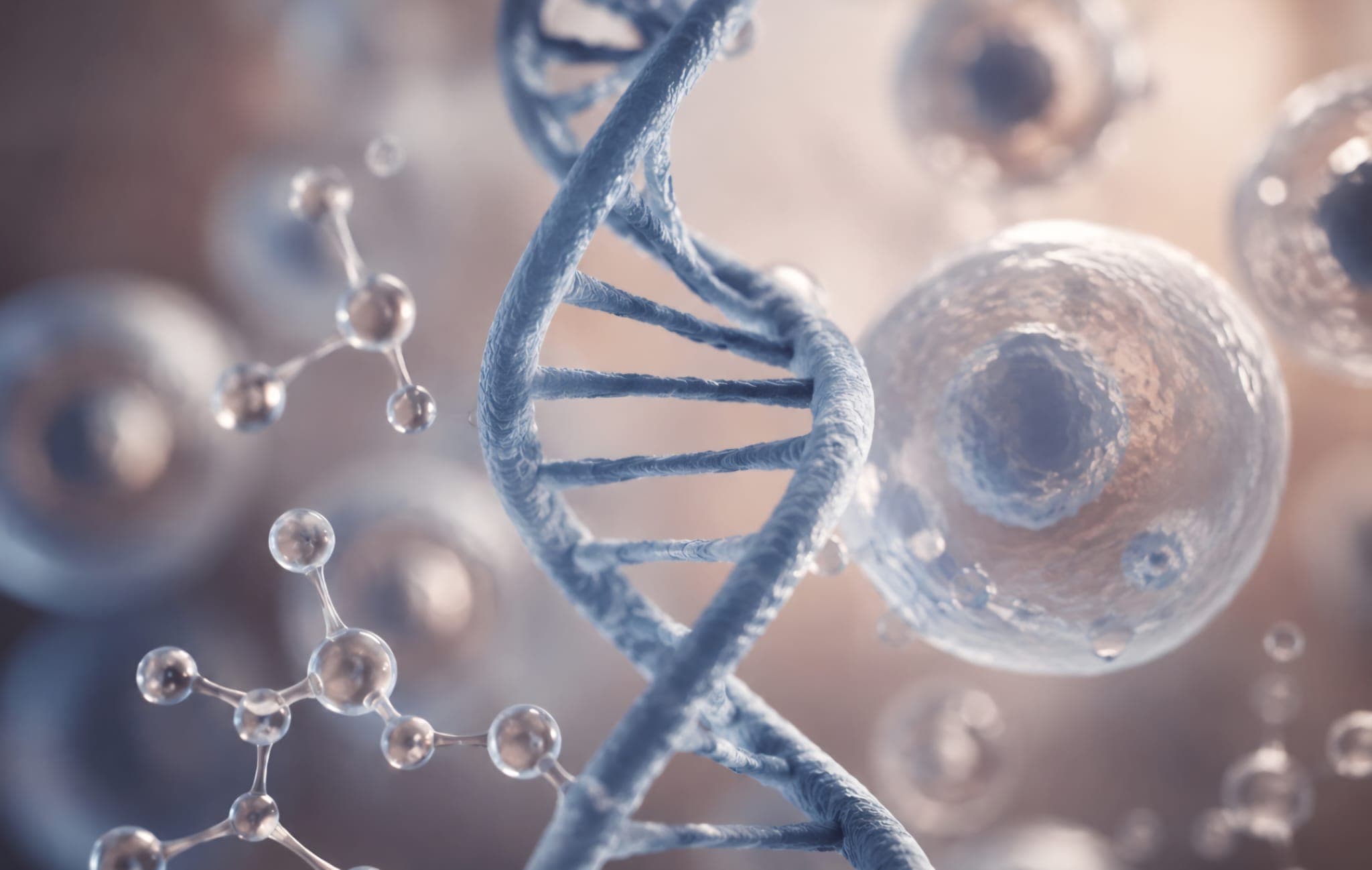 🔬
🔬Telomeres & Diet: The Molecular Clock of Aging
Telomere length — the biological marker of cellular age — is directly modifiable by diet. New research identifies the specific foods that protect and erode it.
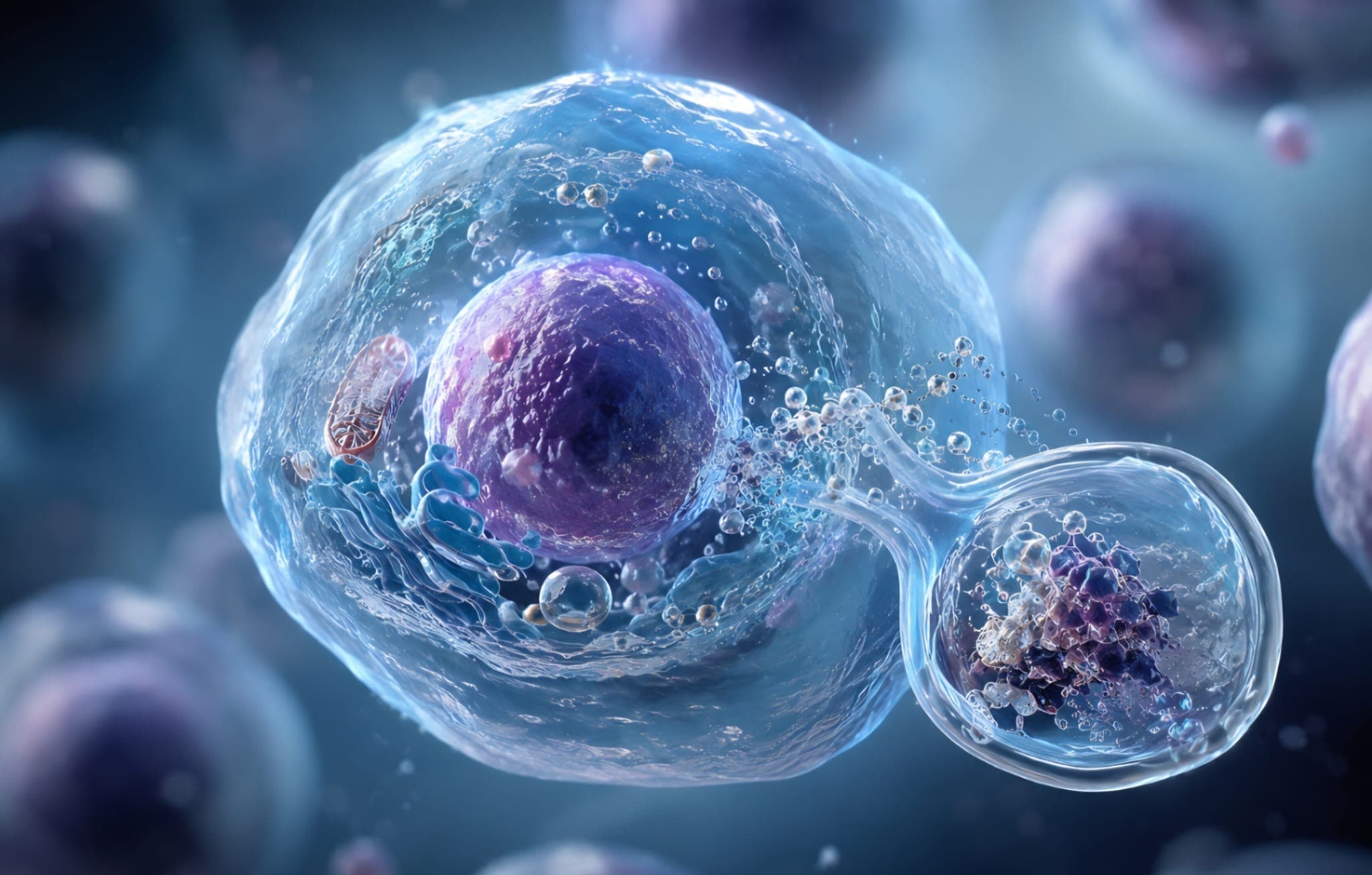 🔬
🔬Autophagy & Fasting: The Science of Cellular Self-Renewal
Autophagy — the body's cellular 'cleanup' process — is one of the most powerful longevity mechanisms identified in modern biology. Diet and fasting can activate it.
Nutrition Science
Nutrients, gut health, and the biochemistry of food as medicine
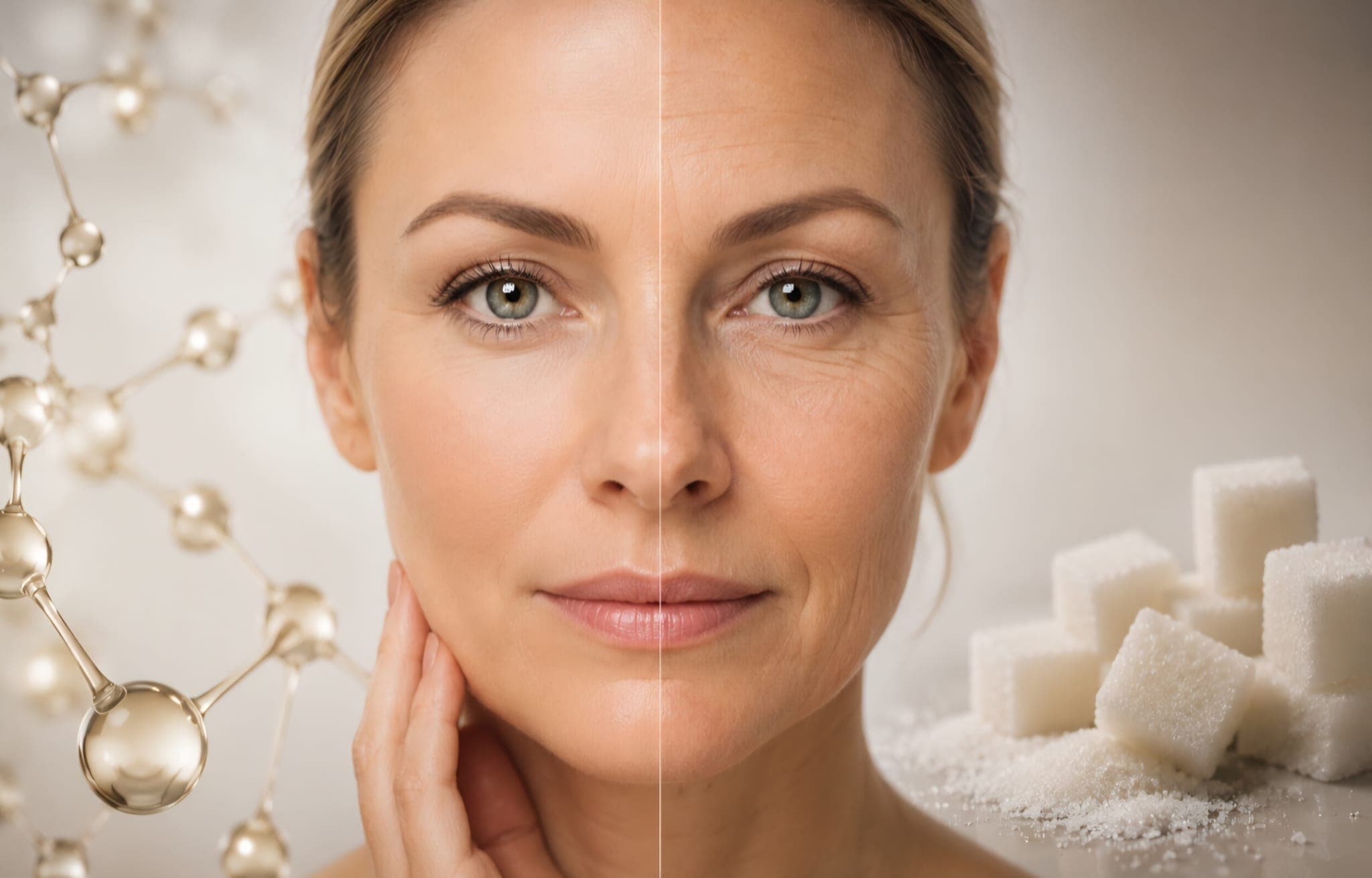 🧬
🧬Sugar, Glycation & Skin Aging: What the Science Actually Says
Refined sugar doesn't just affect your waistline. It attacks collagen directly — stiffening the very proteins that keep skin firm, elastic, and youthful.
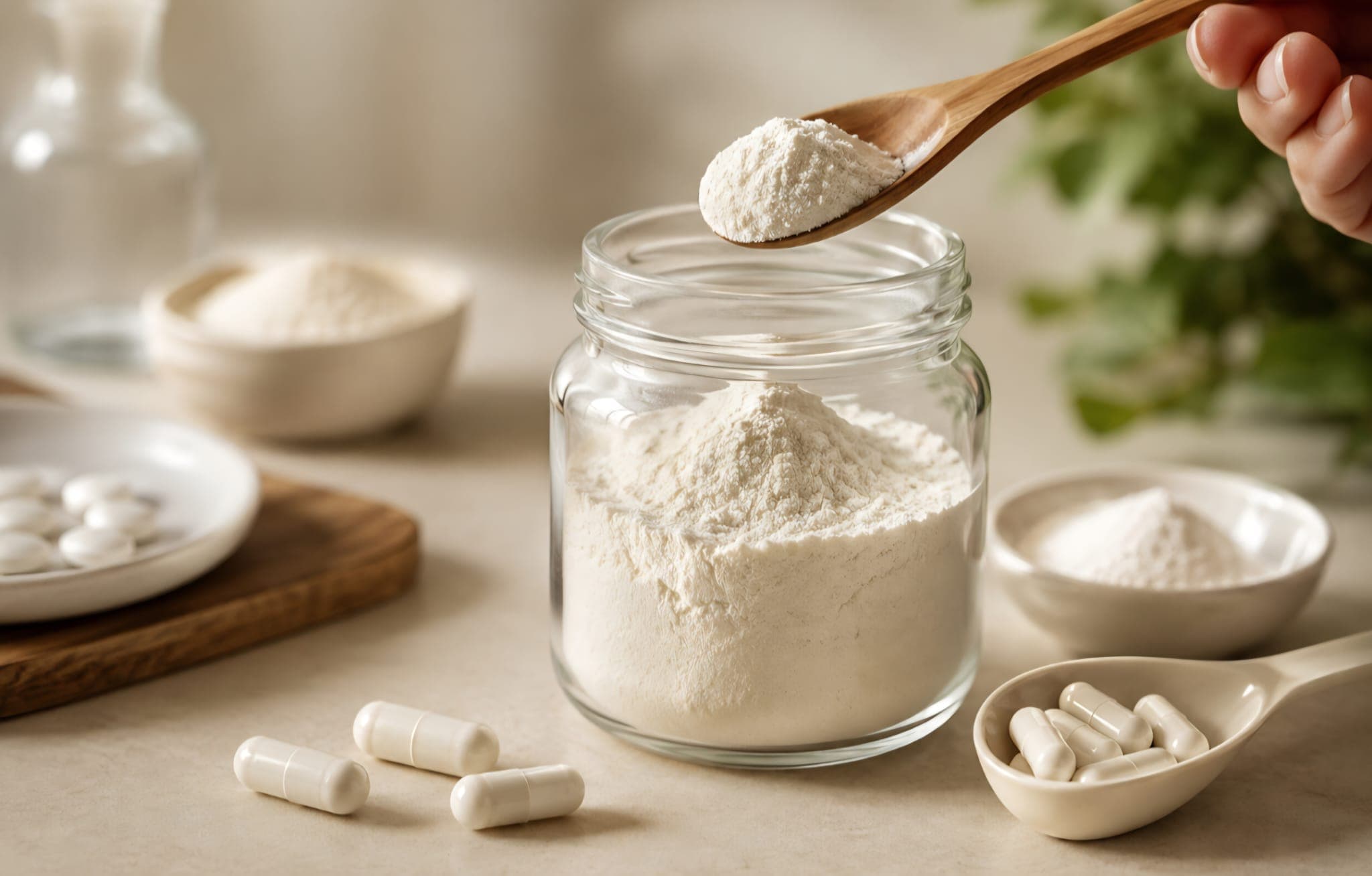 🧬
🧬Collagen Supplements: What the Research Actually Shows
Collagen is everywhere. But does it actually work? A review of the most rigorous clinical trials reveals what's real — and what's marketing.
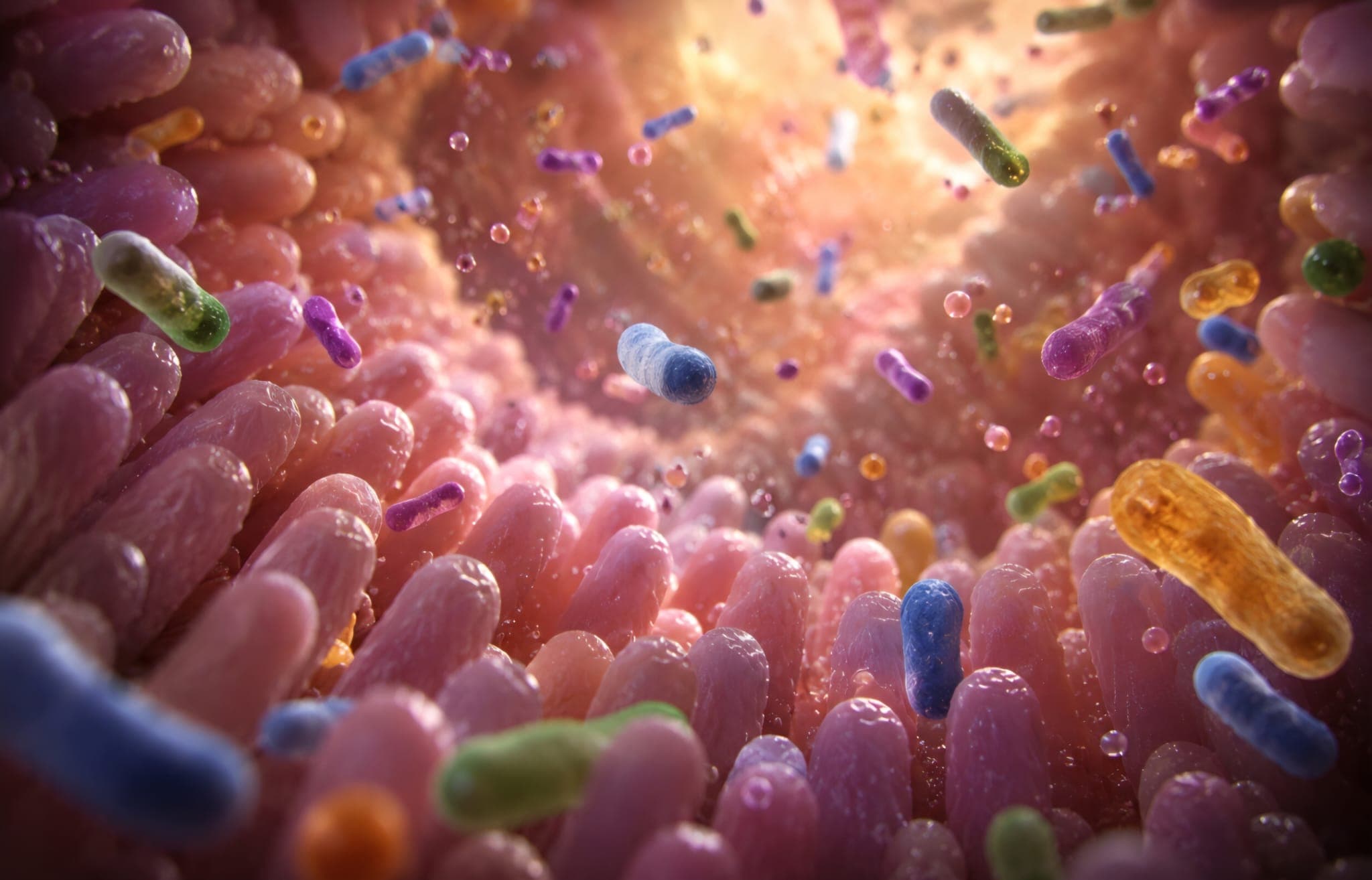 🧬
🧬The Gut Microbiome & Healthy Aging: A Research Review
The trillions of bacteria living in your gut don't just digest food — they regulate inflammation, immunity, and biological age. Here's what the science shows.
 🧬
🧬Vitamin D & Muscle Function After 50: The Clinical Evidence
Vitamin D deficiency affects 40% of adults over 50 and is directly linked to muscle weakness, fall risk, and all-cause mortality. The research is compelling.
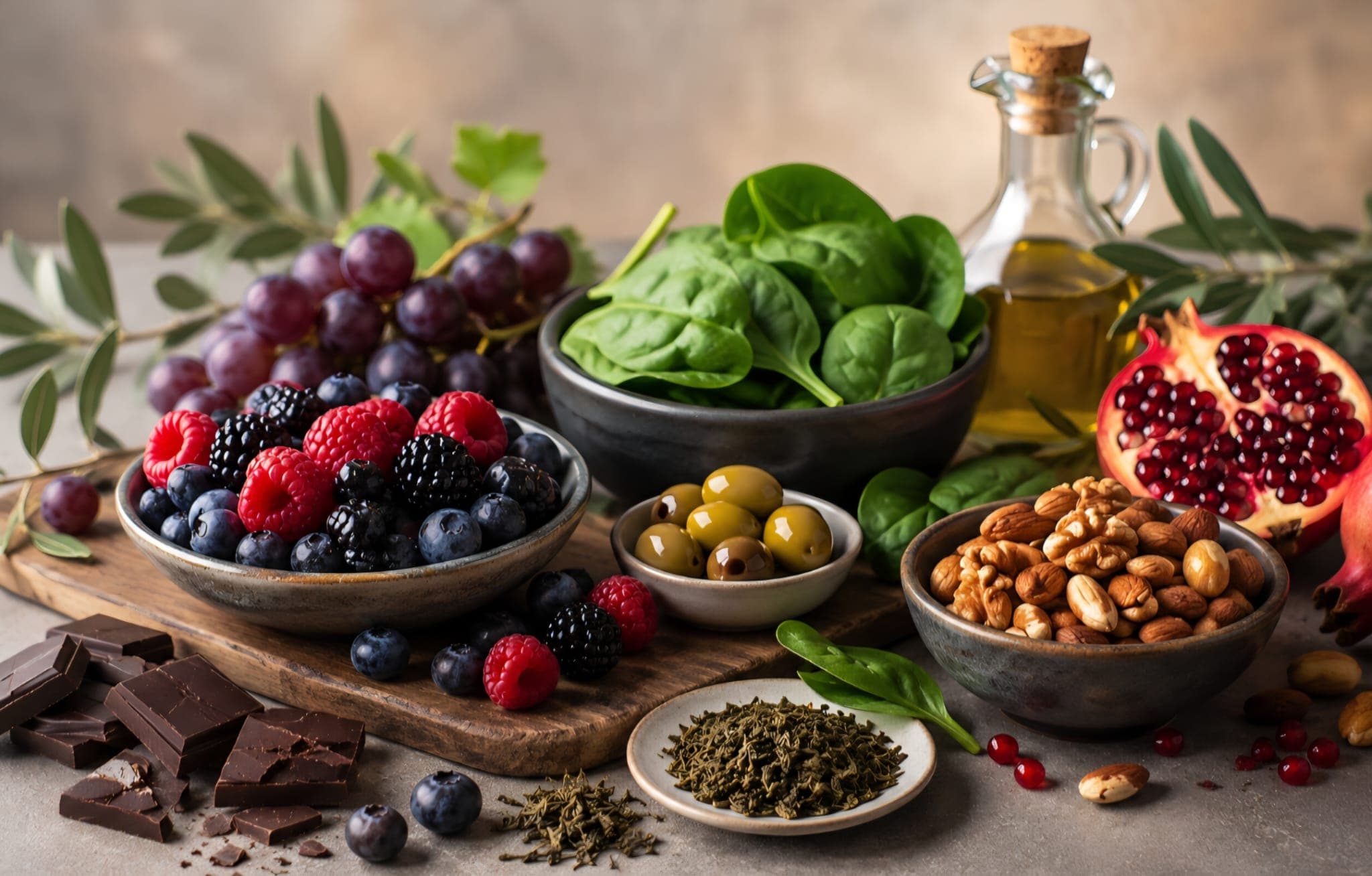 🧬
🧬Polyphenols & Inflammation: The Research Evidence
Found in berries, olive oil, dark chocolate, and green tea — polyphenols are among the most studied anti-inflammatory compounds in nutritional science.
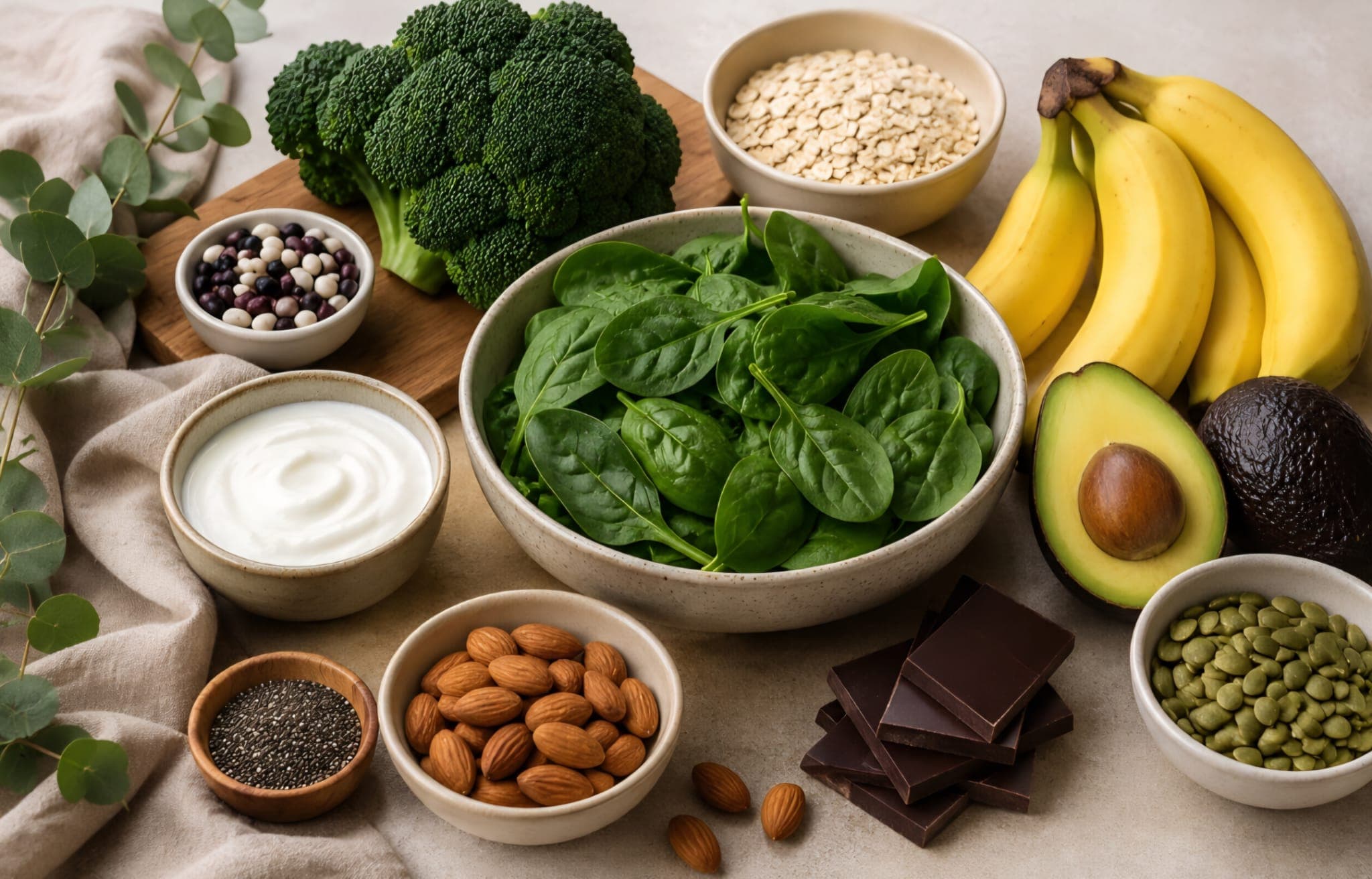 🧬
🧬Magnesium: The Overlooked Mineral in Women's Health
Over 50% of adults are deficient in magnesium — a mineral involved in 300+ enzymatic reactions, including sleep, bone density, and blood sugar regulation.
Metabolic Health
Blood sugar, insulin sensitivity, cardiovascular risk, and energy metabolism
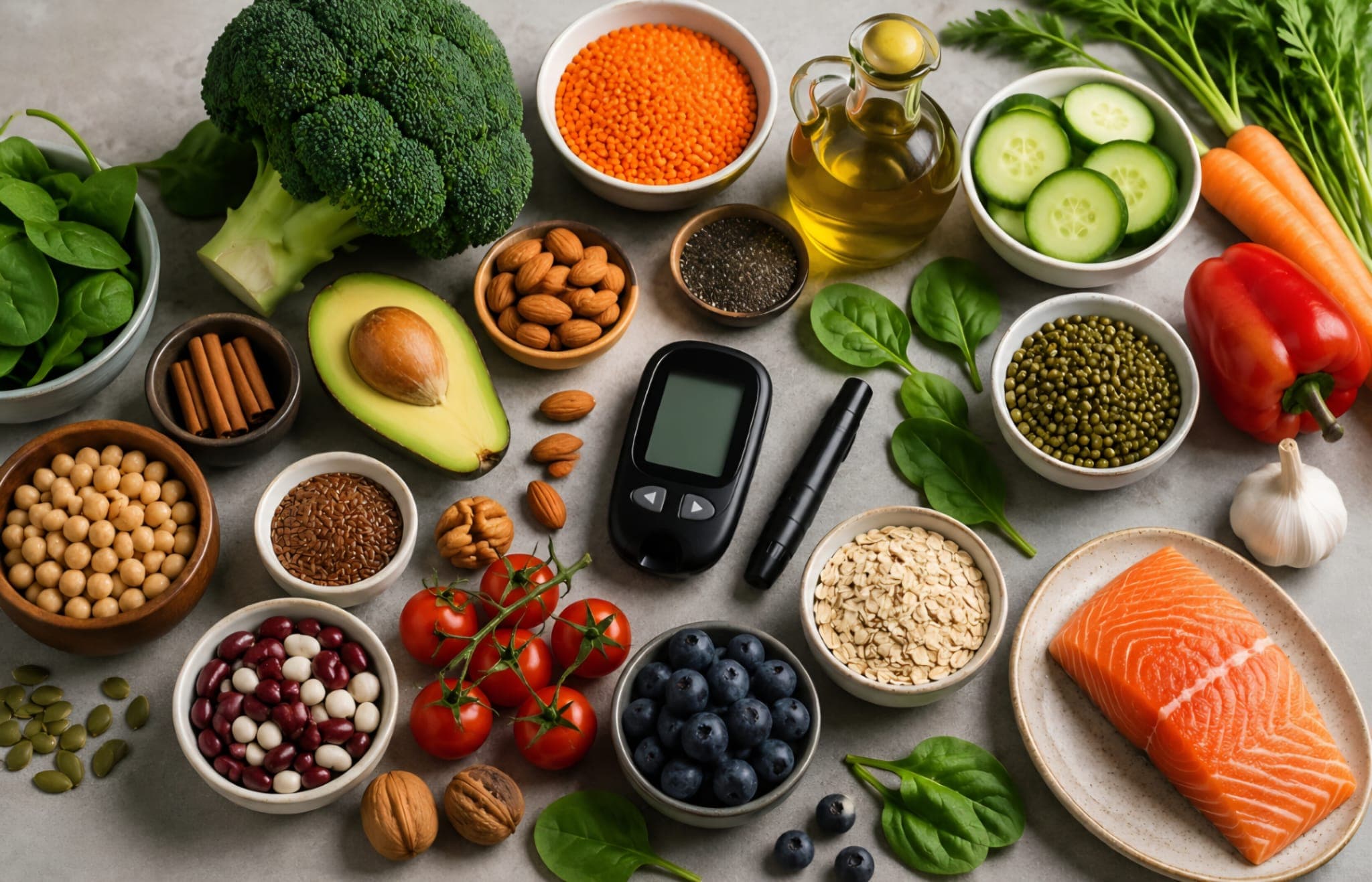 ⚡
⚡Insulin Resistance: Dietary Patterns That Reverse It
Insulin resistance precedes type 2 diabetes by a decade or more — and is largely reversible through diet. Here's what the clinical evidence shows.
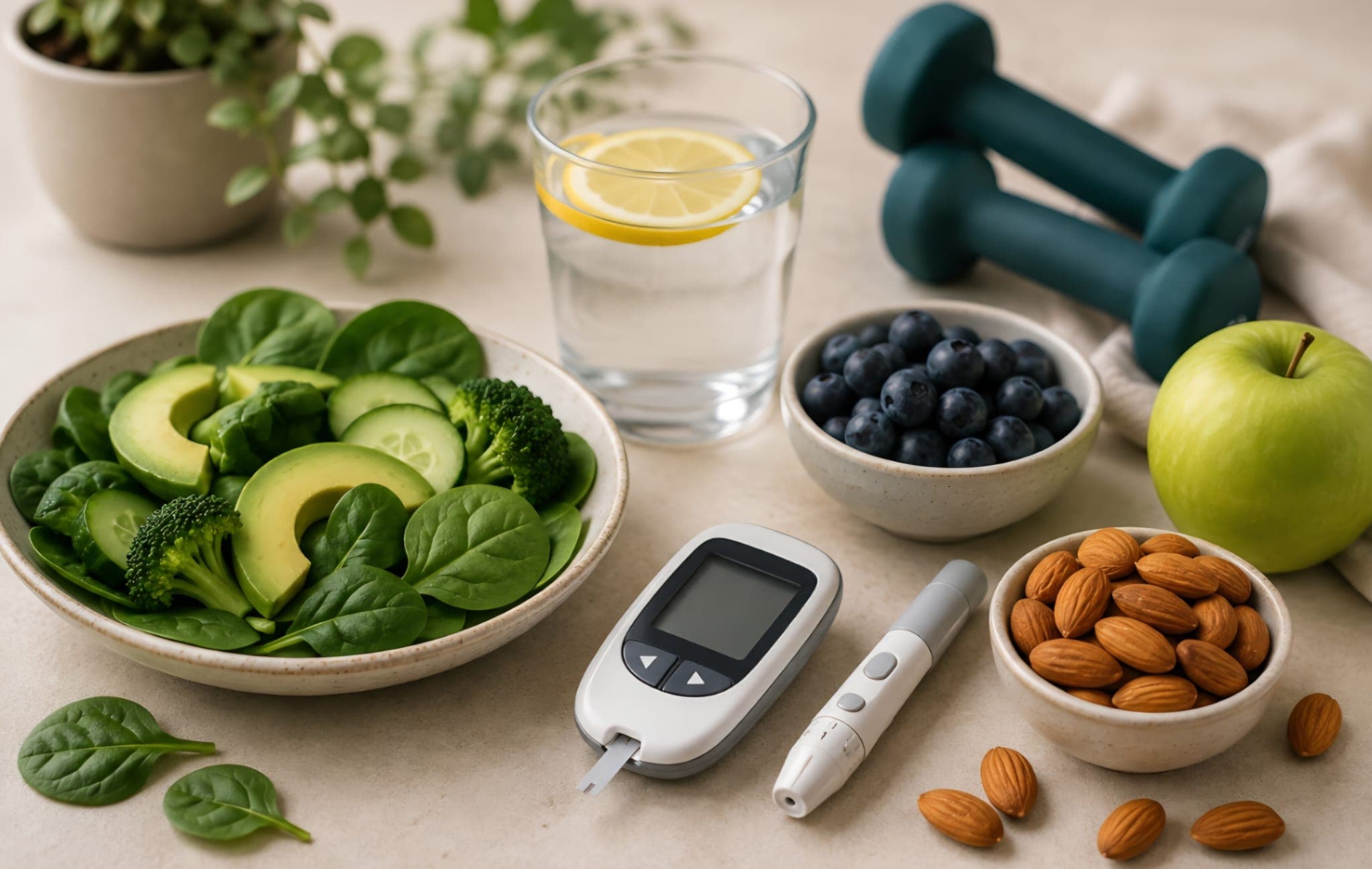 ⚡
⚡Blood Sugar Stability & Longevity: The Glycemic Connection
Continuous glucose monitoring studies reveal that blood sugar variability — not just fasting glucose — is a primary driver of aging, inflammation, and cognitive decline.
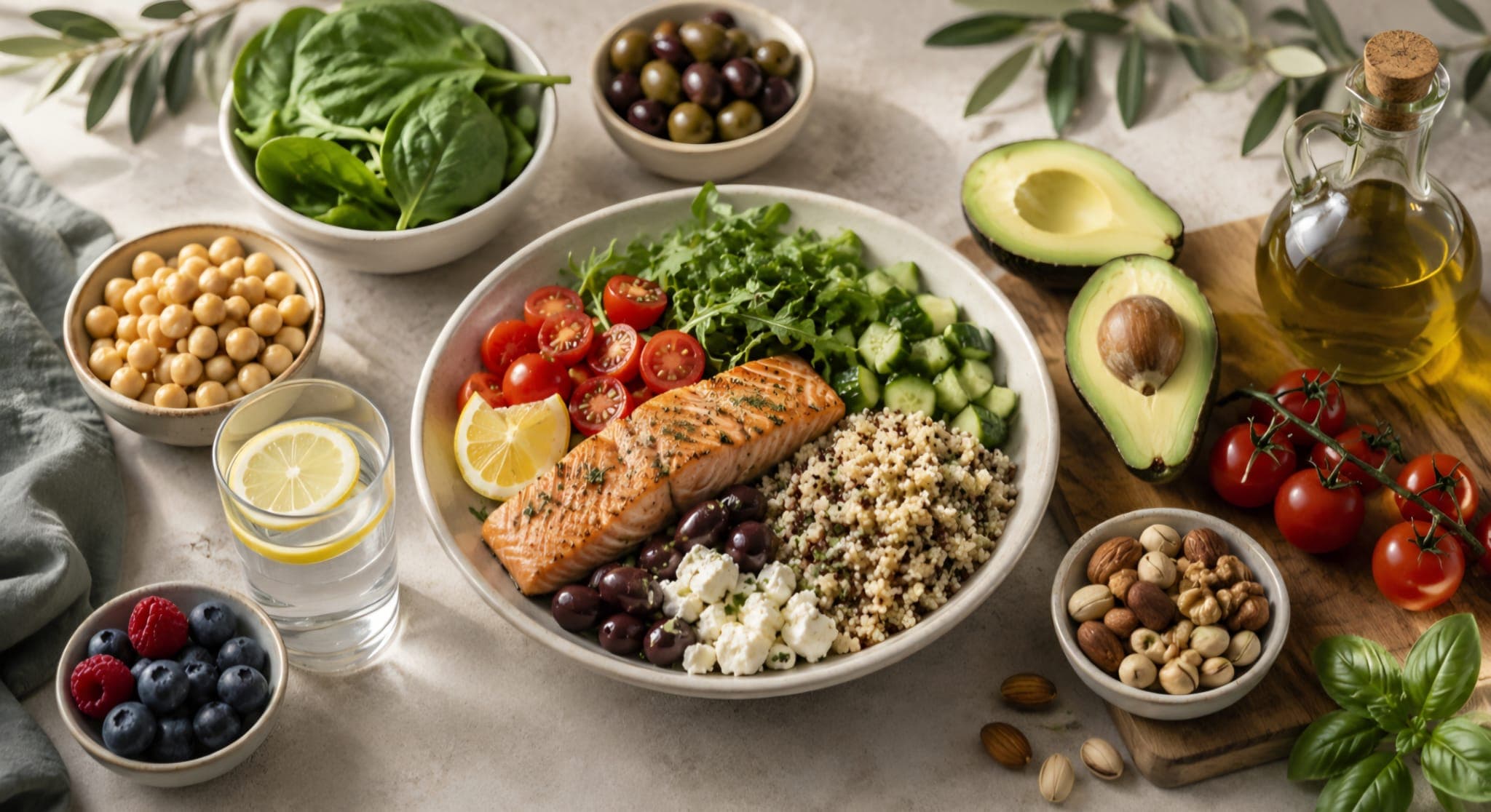 ⚡
⚡The Mediterranean Diet & Cardiovascular Risk Reduction
The PREDIMED trial — the largest dietary RCT ever conducted — proved that a Mediterranean diet reduces cardiovascular events by 30%. Here's what that means for women.
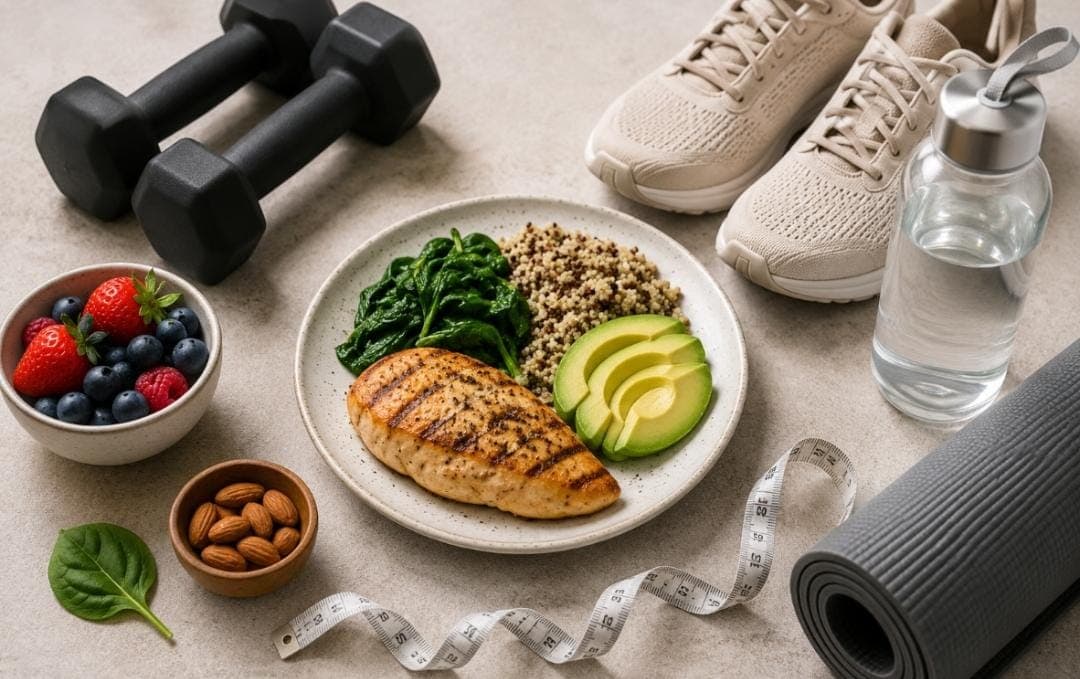 ⚡
⚡Visceral Fat & Metabolic Syndrome: The Research Explained
Visceral fat — the fat stored around internal organs — is metabolically active and inflammatory. Understanding it is key to understanding aging-related disease.
 ⚡
⚡Sleep Quality, Cortisol & Metabolic Health: The Research Connection
Poor sleep isn't just tiring — it raises cortisol, increases insulin resistance, and promotes visceral fat. The clinical evidence is striking.
 ⚡
⚡Protein Timing & Metabolic Rate in Aging Women
When you eat protein matters almost as much as how much you eat. Research on protein distribution across meals reveals surprising implications for metabolic health.
Women's Health
Hormones, bone density, menopause, and research specific to women
 🌿
🌿The Healthy Aging Plate: What to Eat After 50
After 50, the nutritional needs of women shift significantly. A Harvard 30-year prospective study reveals what your plate should look like.
 🌿
🌿Bone Density After 50: The Protein–Calcium Connection
Bone loss accelerates dramatically after menopause — but the dietary intervention most supported by evidence isn't just calcium. It's protein.
 🌿
🌿Hormones, Menopause & Dietary Strategy: What Research Shows
The hormonal shifts of perimenopause and menopause create specific nutritional vulnerabilities. Research identifies precise dietary strategies to manage them.
 🌿
🌿Phytoestrogens & Hormonal Balance: The Clinical Evidence
Soy isoflavones, lignans, and coumestans are plant compounds that interact with estrogen receptors. Here's what randomized controlled trials actually show.
🌿Chronic Inflammation & Anti-Inflammatory Diet: The Evidence Base
Low-grade chronic inflammation — 'inflammaging' — drives cancer, cardiovascular disease, dementia, and physical decline. Diet is its most powerful modifier.
 🌿
🌿Iron, B12 & Nutritional Deficiencies in Midlife Women
Two of the most common and consequential deficiencies in women over 40 are iron and vitamin B12 — and both are routinely missed in standard blood panels.