Blood Sugar Stability & Longevity: The Glycemic Connection
Continuous glucose monitoring studies reveal that blood sugar variability — not just fasting glucose — is a primary driver of aging, inflammation, and cognitive decline.
⚡ Research at a Glance
Based on: Diabetologia · 2024
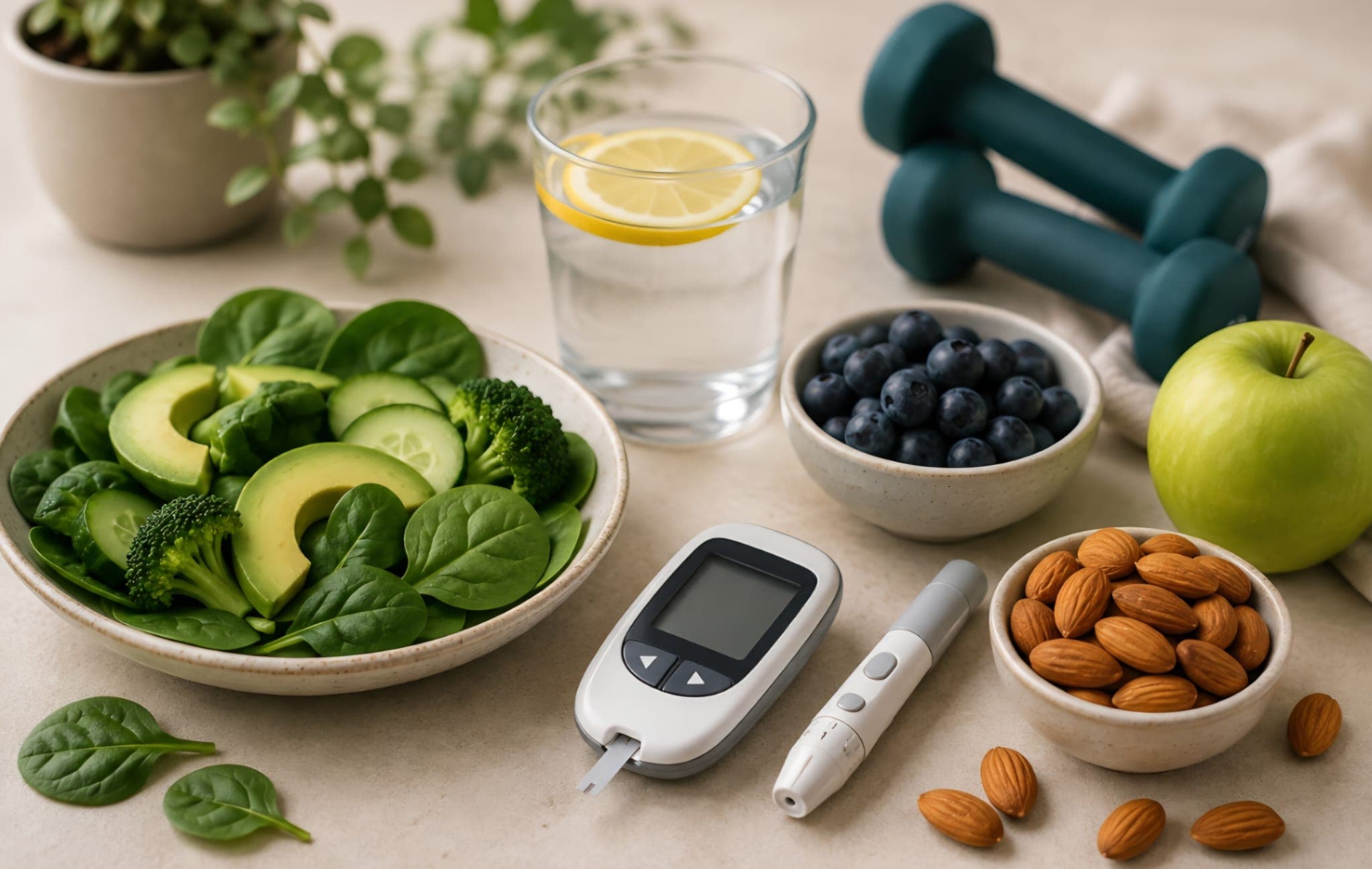
Continuous glucose monitoring (CGM) has transformed our understanding of metabolic health by revealing that postprandial glucose spikes — which return to 'normal' by the time a standard fasting blood test is taken — can be profoundly damaging. A 2024 study in Diabetologia found that glycemic variability (the frequency and magnitude of blood sugar swings) was an independent predictor of cardiovascular events, cognitive decline, and all-cause mortality in non-diabetic adults.
The Stanford Nutrition Lab's landmark CGM study (Science, 2020) monitored over 800 healthy adults and found enormous individual variation in glucose response to identical foods — demonstrating that standard glycemic index tables are poor predictors of individual response. Factors including gut microbiome composition, meal timing, sleep quality, and stress level each independently modulate the glucose spike from any given food.
“Starting a meal with protein is not just about nutrition. It is a real-time glycemic intervention — reducing the blood sugar damage of everything that follows.”
Protein and fat consumed before or with carbohydrates substantially blunt postprandial glucose spikes by slowing gastric emptying and stimulating GLP-1 release. A 2023 RCT in Diabetes Care found that consuming protein and vegetables before the carbohydrate portion of a meal reduced peak glucose by 37% and insulin AUC by 43% compared to eating carbohydrates first.
This sequence-of-eating finding has profound practical implications: starting a meal with protein — which is the structure of every VITA recipe — is not just a nutritional strategy for muscle preservation. It is a real-time glycemic intervention that reduces the meal's metabolic damage.
Put It Into Practice
Sweet Without Sugar
100 desserts that satisfy without the white sugar crash.
Get the Recipe Book — $19.9More on Metabolic Health
Insulin Resistance: Dietary Patterns That Reverse It
8 min read
The Mediterranean Diet & Cardiovascular Risk Reduction
8 min read

Visceral Fat & Metabolic Syndrome: The Research Explained
7 min read