Autophagy & Fasting: The Science of Cellular Self-Renewal
Autophagy — the body's cellular 'cleanup' process — is one of the most powerful longevity mechanisms identified in modern biology. Diet and fasting can activate it.
🔬 Research at a Glance
Based on: Cell Metabolism · 2024
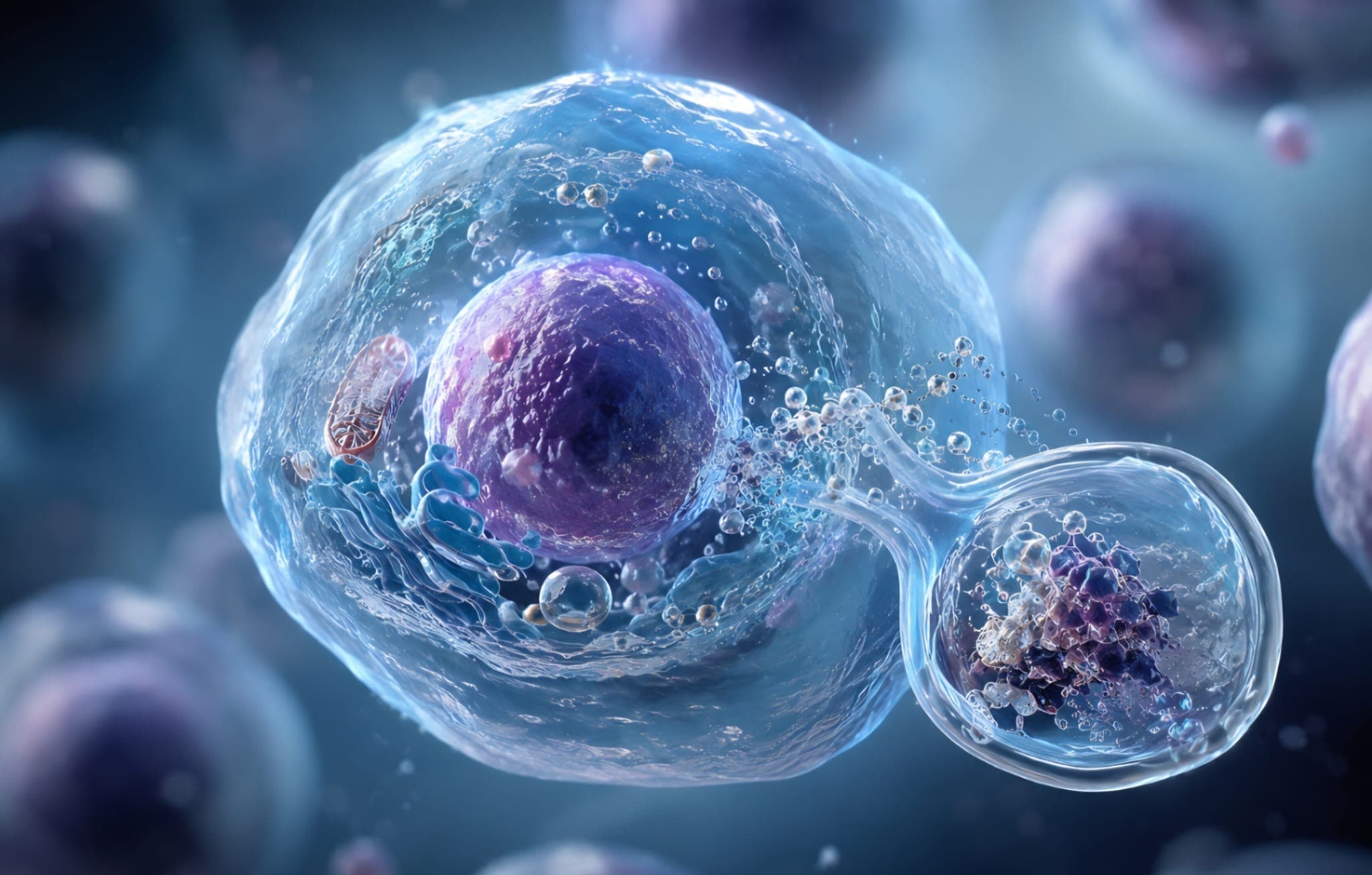
Autophagy — from the Greek for 'self-eating' — is the cellular process by which damaged proteins, dysfunctional organelles, and cellular debris are broken down and recycled. It is one of the body's primary anti-aging mechanisms, and its discovery earned Yoshinori Ohsumi the 2016 Nobel Prize in Physiology or Medicine.
Autophagy is suppressed in the fed state by mTOR (mechanistic target of rapamycin) — a nutrient-sensing pathway activated particularly by amino acids and glucose. Conversely, it is upregulated during caloric restriction, fasting, and exercise. A 2024 review in Cell Metabolism confirmed that time-restricted eating (16:8 or 18:6) consistently induces measurable autophagy markers in human clinical studies.
“Autophagy is not a wellness trend — it's the biological process that earned a Nobel Prize in 2016. And you can switch it on with your fork.”
The relationship between protein intake and autophagy creates a nuanced dietary challenge for aging women: sufficient protein is essential to prevent sarcopenia, but very high protein intake (especially leucine-rich sources) suppresses autophagy via mTOR. The emerging consensus is strategic protein timing — high protein post-workout (to drive MPS), lower protein during a daily fasting window (to allow autophagy).
Specific dietary compounds also appear to upregulate autophagy independently of fasting: spermidine (found in wheat germ, mushrooms, soybeans), resveratrol (grape skins, dark chocolate), and curcumin (turmeric) have all shown autophagy-inducing effects in human and animal studies.
Put It Into Practice
Sweet Without Sugar
100 desserts that satisfy without the white sugar crash.
Get the Recipe Book — $19.9